Working k9
How to Choose a Tactical Harness for a Working Dog: Fit, Control, and Everyday Durability
A buyer guide to tactical harnesses for working dogs: fit, control handle, attachment points, materials, and choosing by role, for trainers, kennels, and distributors.
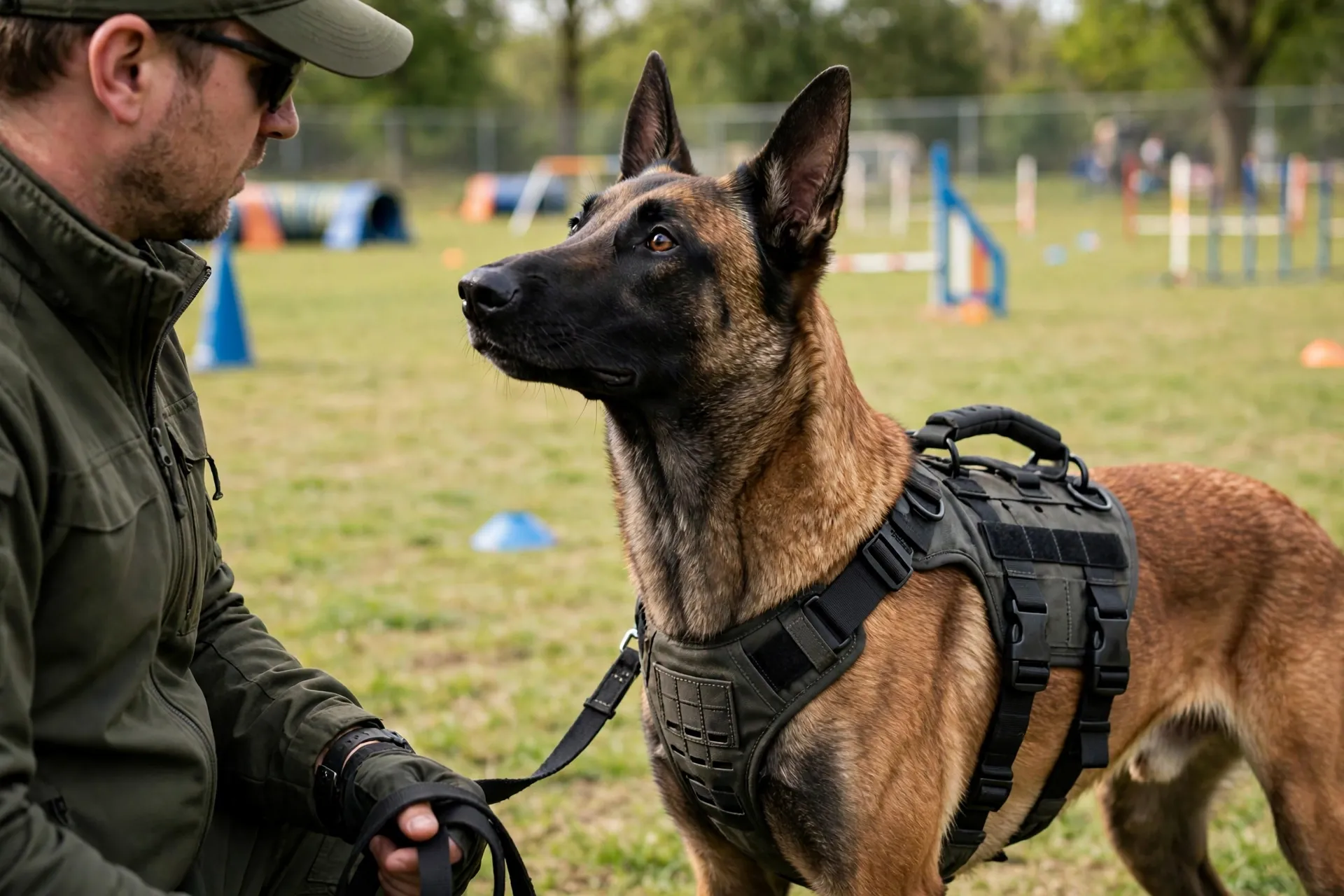
A tactical harness is one of the most used pieces of working dog equipment, and one of the most often bought wrong. A harness that fits well disappears into the work: the dog moves freely, the handler keeps control, and nothing rubs, slips, or breaks at the wrong moment. A harness that fits badly restricts the shoulders, chafes the chest and belly, and slides sideways under load.
This guide covers fit, the control handle, attachment points, materials, and build quality, and how the right choice changes with the job.
What a Tactical Harness Is For — and What It Is Not
A tactical harness is a working harness, not a walking harness for a pet. Its job is to give the handler secure control of a strong dog, and to spread load across the chest and body instead of the neck.
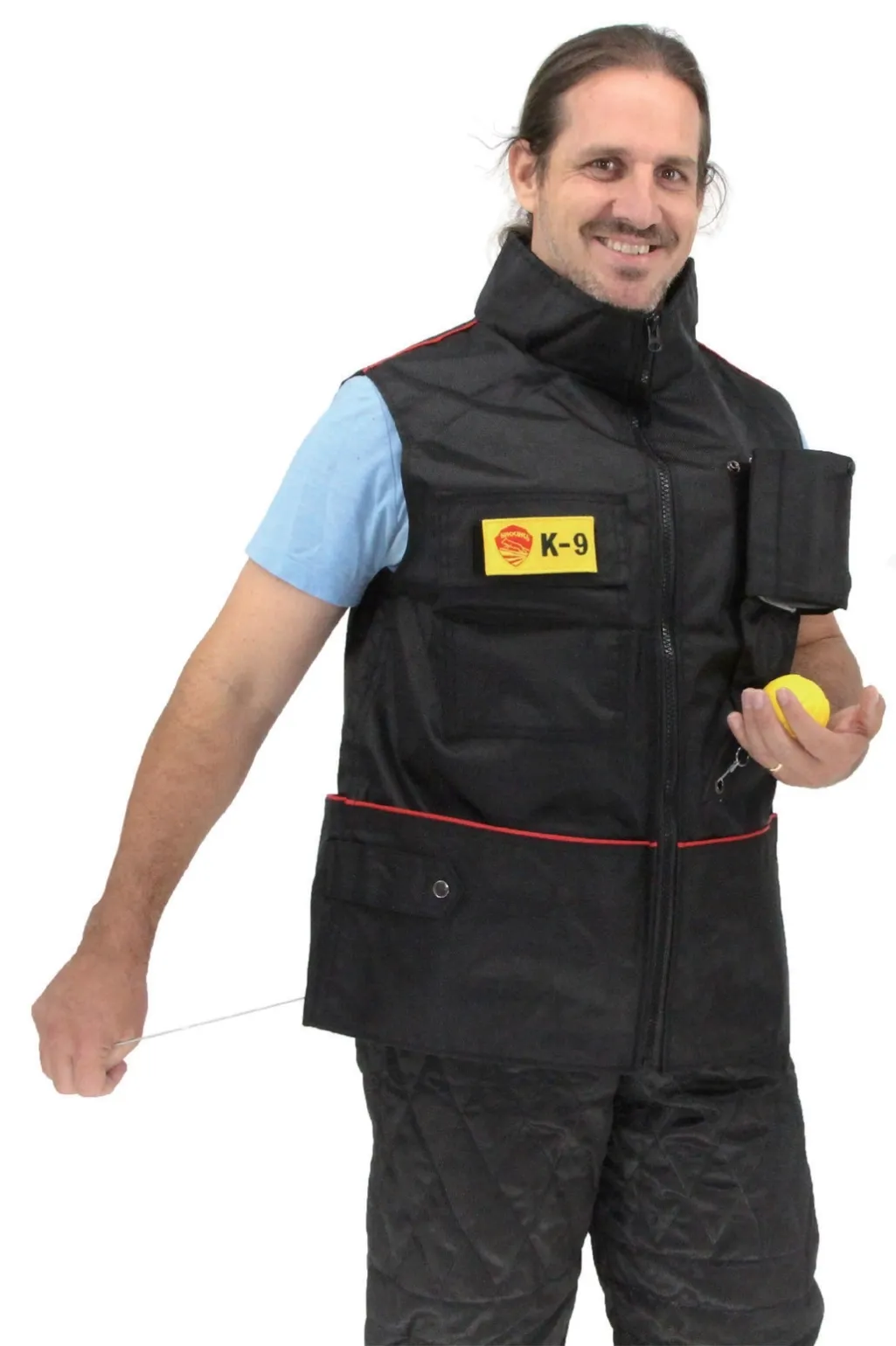
A harness is not a substitute for training, and no harness will fix pulling on its own. It is also not a bite suit, a muzzle, or leg protection. Think about the harness together with the rest of the kit. See the Poochin guide to training vests and jackets for handlers and decoys.
Fit Comes First: Measure the Dog, Not the Breed
Fit is the first test, and it matters more than brand, colour, or any extra feature. Start by measuring the individual dog; breed guidance is a starting point, but two dogs of one breed can differ greatly in chest depth and body length. Measure the chest girth behind the front legs, the neck, and the body length, compare them with the size chart, then fit the harness on the dog.
When the harness is on, check the shoulder first. The straps should sit clear of the shoulder joint. Watch the dog walk and trot; the movement should look the same with the harness on as without it. If the stride shortens, try a different size or strap layout.
Next, check the chest and belly. The harness should sit snug without pressing hard into the ribs. You should be able to slide two fingers under the straps. Too loose, it slides and rubs; too tight, it presses on the ribs and restricts breathing. The belly strap should sit behind the ribs, clear of the front legs. If the dog is between sizes, try both; for a team order, order a spread of sizes and confirm the fit dog by dog.
The Control Handle: The Feature That Earns Its Place
The handle on the back of a tactical harness is the feature that separates a working harness from an ordinary one. It is the handler's way to hold, guide, and lift the dog quickly. It steadies the dog on stairs, helps it into a vehicle, and holds it still during a search. The handle must be strong, well placed, and easy to grip with a gloved hand.
Look for a handle that sits flat when it is not in use, so it does not catch on branches or fences, yet can be grabbed in one motion. It should be wide enough for a full grip and fixed at both ends, with the load spread across the back panel. Test the handle before the harness goes into service: grip it, lift the dog briefly, and check that the harness does not twist.
Materials and Build: What Lasts in Daily Work
A tactical harness must survive daily use in mud, rain, dust, and rough ground, so the materials should be strong, easy to clean, and quick to dry. Heavy woven webbing is the usual choice for load-bearing straps, because it resists abrasion and holds its shape. The body panels should resist scuffing yet stay soft where they touch the dog, with padding on the chest and belly straps and around the neck.
Look closely at the stitching, because that is where most harnesses fail first. Seams should be straight, tight, and reinforced where a strap meets the body, where the handle is attached, and where a buckle or ring takes load. Loose threads or single-row stitching at a load point are warning signs; check every harness in a batch. Buckles and rings should be metal rather than plastic for working use. Dark colours hide dirt and suit patrol work, while reflective trim helps visibility in low light.
Attachment Points and Add-Ons: Carry Only What the Job Needs
A tactical harness usually carries leash attachment points and a surface for pouches or patches. The main leash point is normally a metal ring on the back, positioned so the lead runs straight without twisting the harness. A front attachment point, on the chest, suits dogs that need steering rather than pulling power. If the harness offers both, the handler can choose by task without changing the harness.
Hook-and-loop panels for patches and webbing loops for pouches are useful, but they should not drive the purchase. Buy the harness for fit and control first, then add only the pouches the job needs, and keep the load light and balanced. For small items that belong on the handler, Poochin treat bags and belts keep the weight off the dog. See K9 training accessories: treat bags and belts.
Choosing by Role: Patrol, Detection, Training, and Service
A patrol dog needs maximum control and a strong handle, and a harness that is robust, dark, and free of loose parts that can catch. A detection dog works with its nose down, so the harness must leave the shoulders and neck free; a light, close-fitting harness suits it better than a heavy one. For training, comfort and ease of fitting matter most, and a school should favour harnesses that adjust across a range of sizes. Many teams keep more than one type and choose by task, because one harness cannot be best for every job.
Common Mistakes When Buying a Tactical Harness
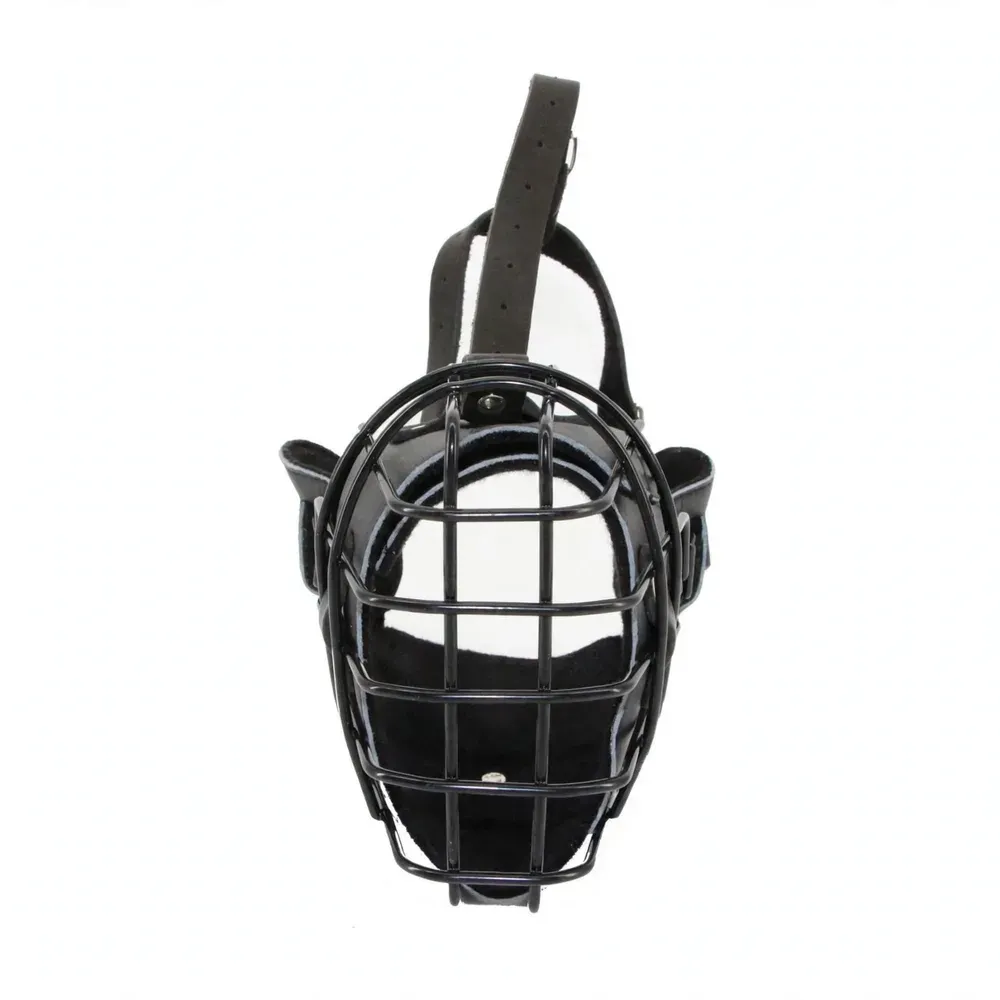
The most common mistake is buying by breed alone; breed tables are a starting point, and the individual dog is the real test. The second is choosing the cheapest harness and expecting it to survive working use; a harness that fails in the field costs a working day. The third is buying a harness that is too heavy or loaded with features the team will never use. A fourth is forgetting the rest of the kit: fit the new harness together with the muzzle, collar, and vest the dog will wear, and check that straps do not overlap or rub. The Poochin guide to choosing a K9 muzzle applies the same principle to muzzles. Finally, do not keep a harness in service after it has started to fail; the Poochin guide to when to replace K9 bite equipment sets out the same habit.
Care, Cleaning, and When to Retire a Harness
After work in mud or rain, rinse or wipe the harness clean and let it dry fully; do not store a damp harness in a closed bag, because mildew and odour will follow. Check the stitching, buckles, and rings each week and after any hard use, especially the handle attachment and the leash ring. Retire a harness when damage affects safety, not appearance, and keep a spare for each working dog.
Ordering for a Team, Kennel, or Distributor
A club, kennel, or distributor ordering for a group should send the target harness type, the breeds and measurements, the expected quantity, and any logo or packaging needs. Poochin supplies a full range of working K9 equipment from one supplier — bite suits, bite sleeves, bite pillows, bite tugs, muzzles, trainer clothing, tactical harnesses, vests, and leashes — so a buyer can equip a whole team in one order, with a private label service for buyers who sell under their own brand. For a first order, fit a sample of each type on the dogs before approving the bulk order. See how to prepare an OEM K9 equipment quote request for quote requests, and wholesale K9 gear for distributors and brands for the full distributor range.
Talk to Poochin About Your Harness Order
If you are equipping a training team, a kennel, or a working unit, send Poochin your target harness type, the measurements for each dog, and the quantities you need. Ask for a quotation, ask about a second source, or ask about a trial order to test the fit on your own dogs first. Contact Poochin through the contact page.
Quick comparison: harness types at a glance
Harness style | Best for | Key strength | Watch out for |
|---|---|---|---|
Padded tactical harness with handle | Patrol, general working use | Strong control handle, load spread across the chest | Extra weight if over-padded |
Lightweight tracking harness | Detection, tracking, long searches | Free shoulder movement, light on the dog | Less control in a tense hold |
Adjustable training harness | Training schools, many dogs | Fits a range of dogs, quick to put on | Check fit on each dog, not just by size label |
Harness with front and back lead points | Training, steering a strong dog | Choice of control by task | Front ring can twist the harness if misused |
Buyer checklist
- Measure the individual dog: chest girth, neck, and body length — do not order by breed alone.
- Check shoulder clearance: the front legs must move freely at walk and trot.
- Confirm two-finger clearance under the straps, with no twisting or bunching.
- Test the handle: grip it, lift briefly, and check that the harness stays level and the stitching holds.
- Inspect stitching at every load point, and check that buckles and rings are metal and move freely.
- Choose attachment points by task: back ring for drive, front ring for steering.
- Fit the harness together with the muzzle, collar, and vest the dog will wear.
- Keep a spare harness for each working dog, and retire any harness with frayed webbing or failed stitching.
FAQs
1. How should a tactical harness fit a working dog? The straps should sit clear of the shoulder joint, snug against the body with two-finger clearance, and the belly strap should sit behind the ribs, clear of the front legs. Watch the dog walk and trot: the stride should look the same with the harness on as without it.
2. Is a handle on a harness really necessary? For working use, yes. The handle lets the handler hold, guide, and lift the dog quickly, without grabbing a collar or a lead. Test it before the harness goes into service, and check that the harness stays level when the dog is lifted by it.
3. Which harness suits a detection dog? A light, close-fitting harness that leaves the shoulders and neck completely free. A detection dog works with its nose down, so the harness must not restrict the head or the front legs during a search.
4. Can one harness serve patrol, detection, and training? It can serve as a starting point, but it will not be best for all three. Many teams keep more than one type and choose by task. The cost of a second harness is small compared with a dog that works badly because its equipment fights it.
5. When should a tactical harness be replaced? When frayed webbing, loose stitching at a load point, or a cracked buckle affects safety. A faded harness that still fits and holds is still usable. Check the stitching, buckles, and rings each week and after any hard use.